
Cracks, chips, and moisture damage in your stucco can become much bigger problems once Alberta’s freezing temperatures arrive. Addressing these issues before winter helps protect your exterior from moisture infiltration and the repeated freeze-thaw cycles that can worsen existing damage.
As fall temperatures begin to drop, homeowners have a limited window to complete pre-winter stucco maintenance. Stucco repair materials, sealants, and protective coatings require suitable temperatures and adequate curing time to perform properly. September is an ideal time to inspect your exterior and address problems before consistently cold weather arrives.
Whether you need stucco repair in Red Deer or more extensive stucco remediation in Calgary, acting now can help protect your exterior throughout the winter.
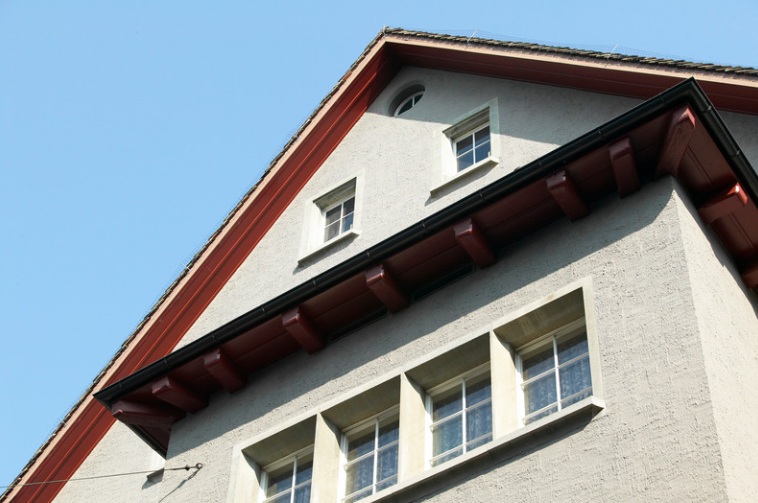
Fall stucco maintenance prevents more extensive damage by stopping water from becoming trapped within the stucco system before freezing temperatures arrive. When trapped moisture undergoes freeze-thaw cycles, it expands and contracts. This can contribute to cracking, deterioration, and delamination from the underlying surface.
Why September Is the Time for Stucco Repair in Alberta
Temperature and weather conditions play an important role in successful stucco repairs. Many repair materials and protective coatings have manufacturer-specific temperature and curing requirements, making early fall a better time to complete exterior work than waiting until consistently cold weather arrives.
September also gives homeowners an opportunity to identify damage caused by summer storms, moisture, or previous winters before snow and ice make exterior problems harder to spot and repair. Acting early gives repairs and coatings time to cure properly before Alberta’s freeze-thaw season intensifies.
Pre Winter Stucco Maintenance Checklist
To prepare your home for winter, complete these important maintenance steps before temperatures consistently fall:
Inspect for Cracks
Walk around your property to look for hairline fractures, chips, or deep cracks in the stucco. Pay close attention to areas around your windows, doors, and foundations. New, widening, or recurring cracks may indicate a problem that requires professional assessment.
Clear Debris and Vegetation
Trim tree branches and bushes that are touching the stucco to prevent physical scraping and vegetation from trapping moisture against the exterior walls.
Clean the Stucco
Wash away dirt and mildew using a low-pressure garden hose with a soft-bristle brush attachment. Avoid high-pressure washers that can damage the stucco surface or force water into existing cracks.
Check Caulking and Flashing
Inspect the sealant around your windows, doors, and roof intersections. Replace dried, cracked, or missing caulk where appropriate to help prevent moisture from entering vulnerable areas of the building envelope.
Repair Stucco Damage
Patch holes or deep cracks with a high-quality stucco repair compound according to the manufacturer’s application and temperature requirements. For larger cracks, recurring damage, or signs of moisture behind the stucco, contact a professional before simply covering the problem.
Stucco Repair vs. Stucco Remediation: What’s the Difference?
Not every crack requires extensive remediation. Small, isolated areas of surface damage may be addressed with localized stucco repair when the underlying wall system remains sound.
More widespread cracking, bulging, delamination, staining, or evidence of moisture behind the exterior may indicate a deeper problem. In these situations, professional stucco remediation may be required to identify and correct the source of the damage before the exterior finish is restored.
For homeowners considering stucco remediation in Calgary or Red Deer, an exterior assessment can help determine whether a localized repair or more comprehensive solution is appropriate.
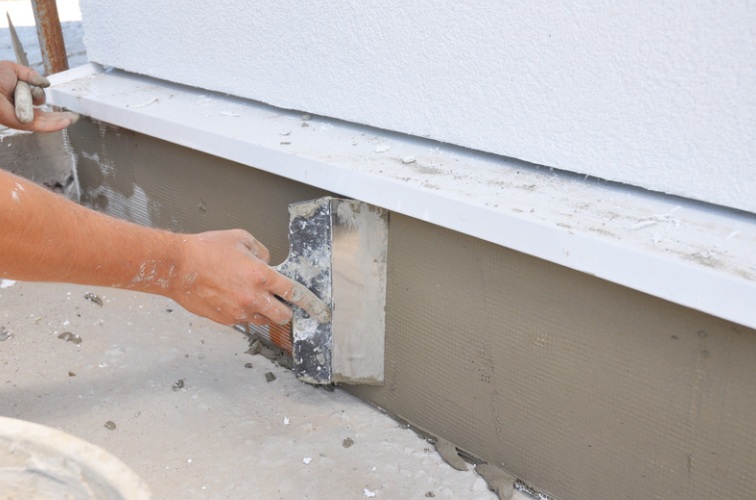
Seal with an Elastomeric Coating
An elastomeric coating provides a flexible protective layer designed to help stucco withstand Alberta’s changing weather conditions. Unlike conventional exterior paint, a properly selected and applied elastomeric coating can help bridge certain hairline cracks and reduce moisture penetration.
Moisture Protection
- Paint provides surface protection, but its moisture resistance varies depending on the product and application.
- An elastomeric coating creates a thicker, flexible protective layer that helps limit water penetration into the stucco surface.
Flexibility
- Conventional exterior coatings may be less flexible as the building moves or settles.
- An elastomeric coating is designed to stretch and move with minor expansion and contraction, helping bridge certain hairline cracks.
Durability
- The lifespan of conventional exterior paint varies depending on the product, exposure, preparation, and application.
- An elastomeric coating is designed for long-term exterior protection when properly applied and maintained.
Thickness
- Paint is applied in relatively thin layers and provides limited ability to bridge existing surface imperfections.
- An elastomeric coating is typically applied at a greater film thickness, allowing appropriate products to bridge certain hairline cracks and create a more protective exterior finish.
How Elastomeric Coating Handles Freeze-Thaw Cycles
As winter temperatures fluctuate, your home naturally expands and contracts. An elastomeric coating is flexible, stretching with your home rather than remaining completely rigid.
It can bridge certain existing hairline cracks and help reduce moisture infiltration as the exterior experiences seasonal movement. The coating helps prevent autumn rain and melting winter snow from penetrating the stucco.
By limiting moisture penetration, an elastomeric coating can reduce the risk of freeze-thaw damage that contributes to cracking and exterior deterioration. However, coatings should not be used to conceal significant cracks or unresolved moisture problems. Those issues should be properly assessed and repaired first.
Frequently Asked Questions About Pre-Winter Stucco Repair
Should Stucco Cracks Be Repaired Before Winter?
Yes. Addressing cracks before winter can help limit moisture infiltration and reduce the risk of additional freeze-thaw deterioration. Larger, recurring, or widening cracks should be professionally assessed to determine the underlying cause.
Can Stucco Be Repaired in Cold Weather?
Stucco repair products and coatings have specific application and curing requirements. As temperatures fall, the available window for exterior repairs becomes more limited, which is why completing necessary work earlier in the fall is generally preferable.
What Does an Elastomeric Coating Do for Stucco?
Elastomeric coatings create a flexible protective finish that can help bridge certain hairline cracks and limit moisture penetration. When properly selected and applied, they can provide additional protection against Alberta’s changing weather conditions.

Let Do-All Stucco & Stone Prepare Your Home for Winter
Do-All Stucco & Stone provides professional stucco repair, remediation, and protective coating services for homeowners in Red Deer, Calgary, and surrounding Alberta communities. Our experienced team can assess cracks, moisture concerns, and deteriorating stucco to determine the appropriate repair or coating solution before winter arrives.
Rather than simply covering visible damage, we can help identify areas that may require repair or remediation before applying a protective finish, helping your exterior perform through Alberta’s demanding freeze-thaw seasons.
Contact us today for a free estimate and get your exterior ready before winter weather arrives.