
Alberta winters are notoriously tough on home exteriors. The constant fluctuation between freezing temperatures and sudden thaws takes a toll on building materials. As the snow finally melts this April, it is the perfect time to walk around your property and assess how your home weathered the season. Identifying issues early is the key to executing a successful spring stucco repair Alberta homeowners can rely on to prevent much larger issues down the road.
The Impact of the Freeze-Thaw Cycle on Stucco in Alberta
The biggest threat to your exterior during the winter is the freeze and thaw cycle. Stucco is a porous material. When moisture from melting snow or ice seeps into small imperfections in the surface, it sits there. As temperatures drop overnight, that trapped water freezes and expands. This expansion forces the stucco outward, creating wider cracks. When the ice melts again, it leaves behind a larger gap for more water to enter, repeating the cycle and causing significant damage across Central Alberta homes exposed to extreme temperature swings.
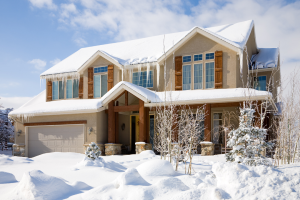
How to Spot Winter Stucco Damage in Alberta Homes
Performing a thorough visual inspection is your first line of defense. Pick a dry, sunny day to walk around the perimeter of your home and look for these telltale signs of trouble:
- Hairline Cracks: While small cracks are common as houses settle, any new or widening cracks should be monitored. Pay special attention to cracks radiating from the corners of windows and doors.
- Water Stains and Discoloration: Dark streaks or patches on your stucco often indicate water infiltration. You might also notice a white, powdery substance called efflorescence. This occurs when water travels through the stucco, dissolving natural salts and leaving them on the surface as the moisture evaporates.
- Bubbling or Peeling Paint: If you have painted stucco, bubbles or peeling areas are a clear sign that moisture is trapped beneath the surface layer and trying to escape.
- Soft Spots and Bulges: Gently press on areas that look discolored or uneven. If the stucco feels soft, spongy, or moves slightly, the structural integrity of the material has been compromised. This requires immediate water damaged stucco repair in Alberta.
Contact us today to schedule your spring assessment and keep your exterior looking its best.
Where to Inspect for Stucco Damage Around Your Home
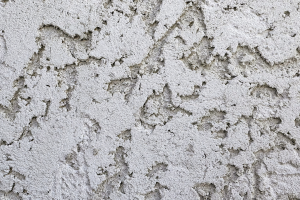
Water is opportunistic. During your inspection, pay close attention to areas where different building materials meet. Check the caulking and flashing around windows, doors, and utility penetrations. If the seals are cracked, missing, or pulling away from the wall, water has an easy path directly behind your stucco system.
Why Early Intervention is Crucial
It is tempting to ignore minor cosmetic issues, but putting off repairs is a risky gamble. What starts as a small surface crack can quickly lead to water pooling inside your wall cavities. Over time, this trapped moisture rots the wooden framework of your home, destroys insulation, and creates the perfect environment for harmful mold growth.
Choosing to fix winter stucco damage as soon as it appears saves you from dealing with major structural reconstruction and costly interior repairs later in the year.

Professional Stucco Repair in Red Deer & Central Alberta
If you spot any of these warning signs during your walkaround, it is time to call in the professionals. At Do All Stucco Alberta, we have years of experience working with Alberta’s harsh climate and freeze-thaw conditions, ensuring your exterior is repaired properly and built to last.
Whether you need a simple patch job or a full stucco inspection Red Deer homeowners rely on, our team is ready to help protect your biggest investment.
Book your spring stucco inspection in Red Deer or Central Alberta today and catch hidden damage before it becomes a costly repair.